
Choosing a UK Copper and Aluminium Supplier: What Trade Buyers Need to Know
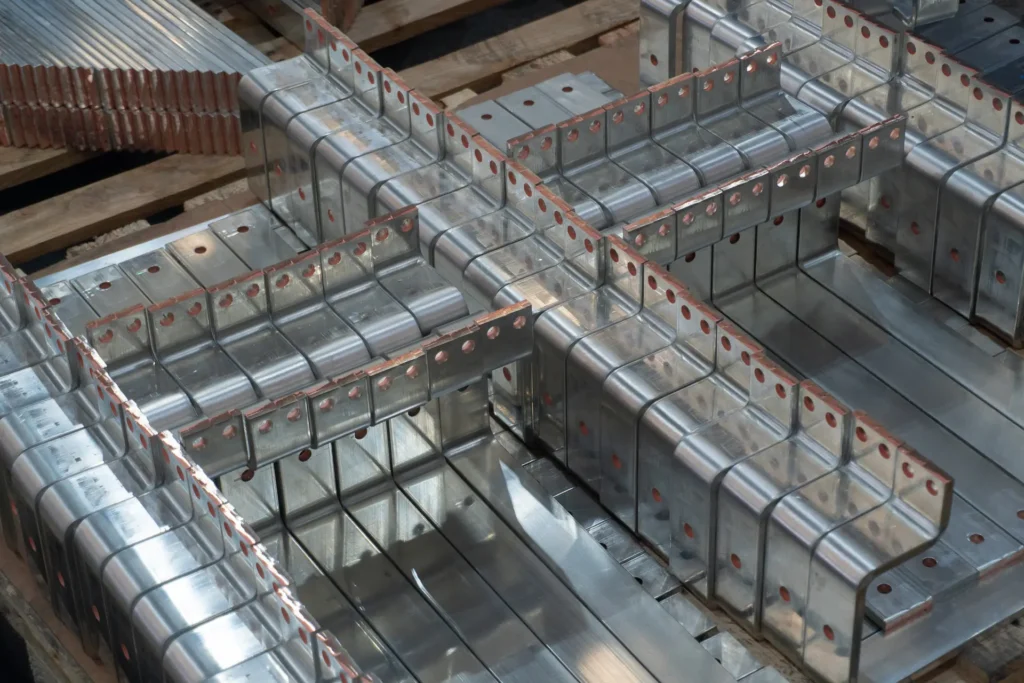
For engineers, manufacturers and procurement teams, sourcing copper and aluminium is rarely as simple as finding a material in the right thickness or section. Material grade, tolerances, conductivity, finish, machining requirements, batch consistency and lead time can all influence whether a component performs as intended and arrives ready for production. When specifications become more demanding, […]
Aluminium Busbars for Electrical Conductors: When Is Aluminium the Right Choice?
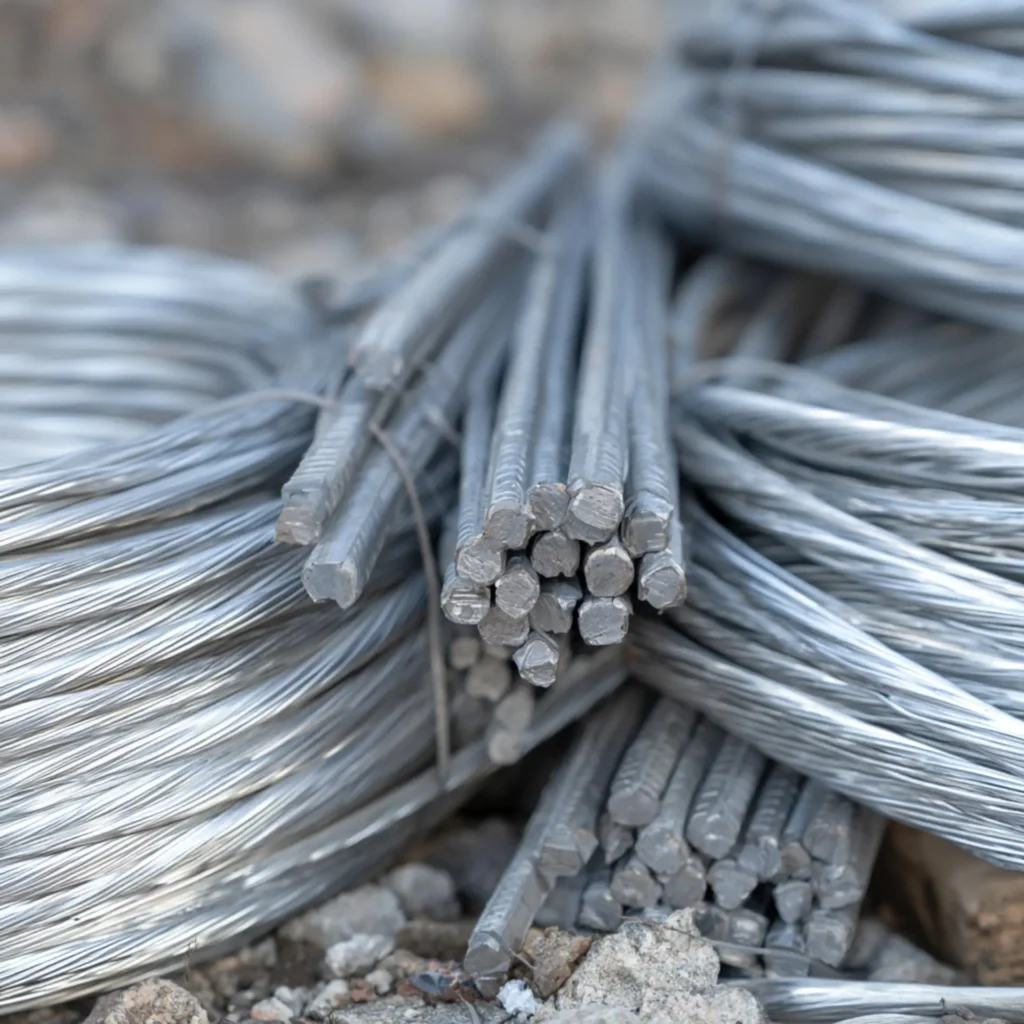
For engineers, manufacturers and procurement teams, choosing the right conductor material is rarely as simple as comparing conductivity figures. Electrical performance matters, but so do weight, available space, thermal behaviour, installation requirements, manufacturing complexity, corrosion resistance and overall project cost. In applications where reducing component weight is important, aluminium busbars can offer a practical alternative […]
Effective Ways to Improve Heat Dissipation with Aluminium Busbars
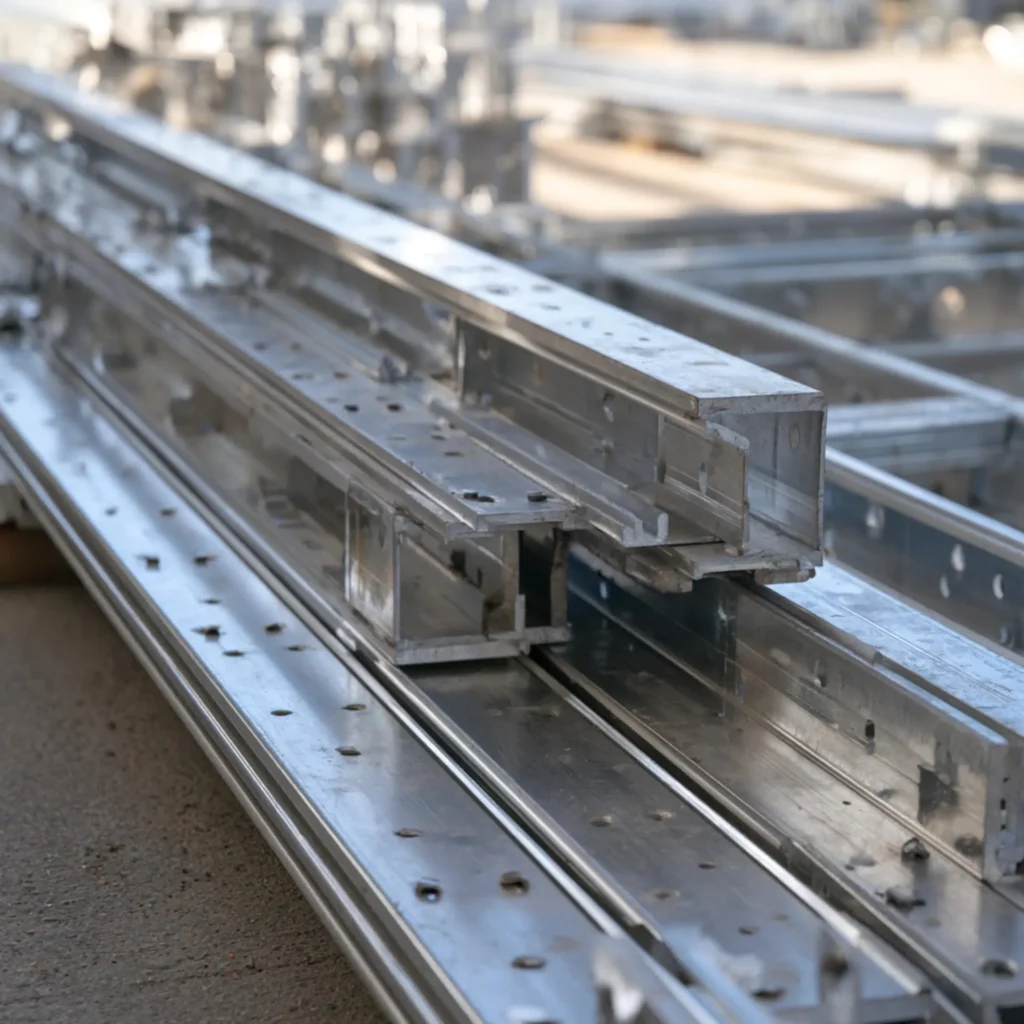
Heat is an unavoidable consideration in any electrical power distribution system. Wherever current meets electrical resistance, some energy is converted into heat. The aim is not to eliminate heat completely. It is to control heat generation, allow it to leave the assembly effectively and prevent excessive temperatures from affecting the performance of the busbar, its […]
How Aluminium Busbars Are Powering the Future of Data Centres
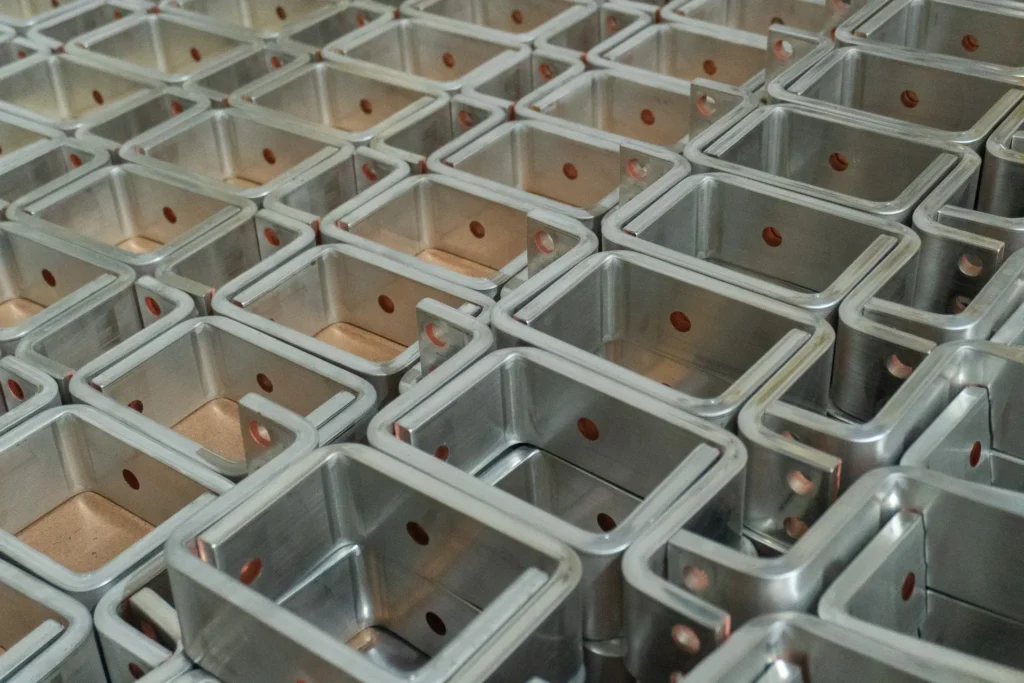
Data centres depend on stable, efficient and carefully planned electrical infrastructure. As demand grows for cloud computing, AI workloads, streaming, data storage and digital services, engineers need power distribution systems that can handle higher loads while remaining practical to install, maintain and expand. This is where Aluminium Busbars are becoming increasingly relevant. Used correctly, they […]
What Are Aluminium Busbars and Where Are They Used?
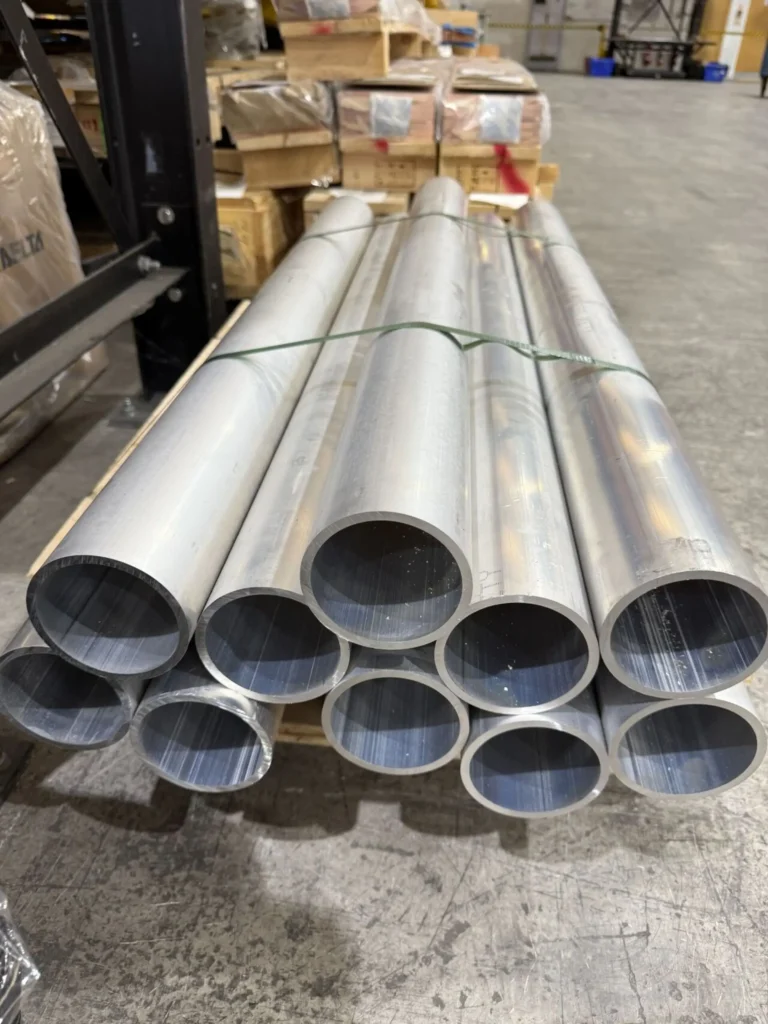
Aluminium busbars are widely used to carry and distribute electrical power inside panels, enclosures, switchgear, battery systems, machinery, and larger power distribution assemblies. Instead of relying on multiple individual cables, a busbar provides a solid, shaped conductor that allows current to move through an electrical system in a controlled, organised, and space-efficient way. For engineers, […]
What Is CNC Machining? A Guide to Precision Metal Components
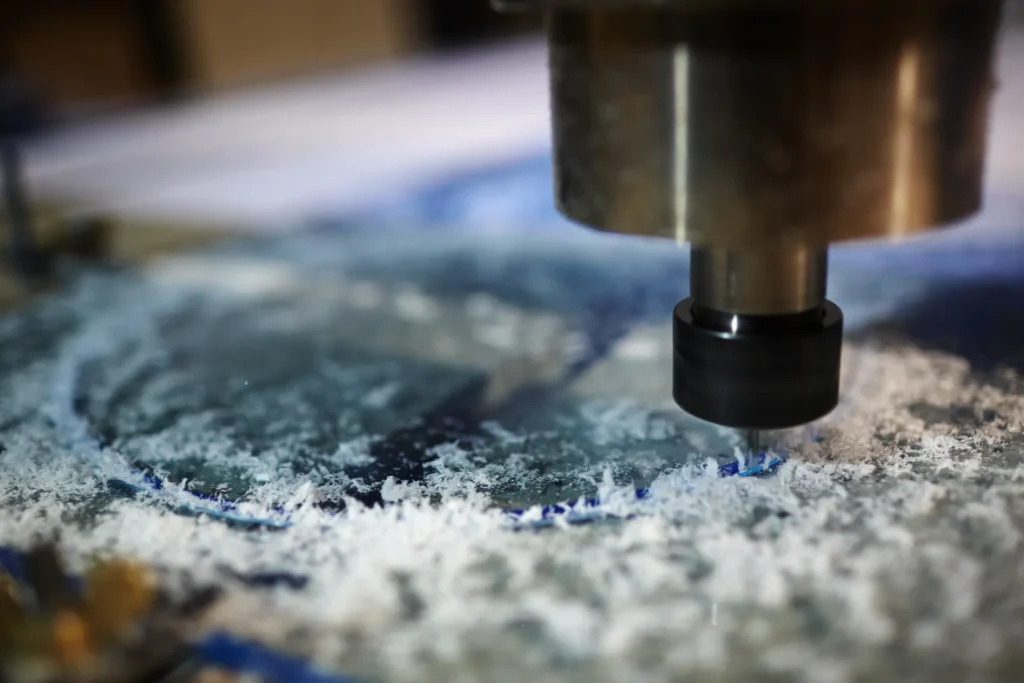
CNC machining is one of the most reliable ways to produce accurate metal components for engineering, electrical, industrial and manufacturing applications. Whether the requirement is a one-off prototype, a batch of machined parts, or repeat production from a technical drawing, CNC machining gives engineers and buyers a controlled route from material to finished component. From […]
How Is Copper Wire Used in Modern Manufacturing and Engineering?
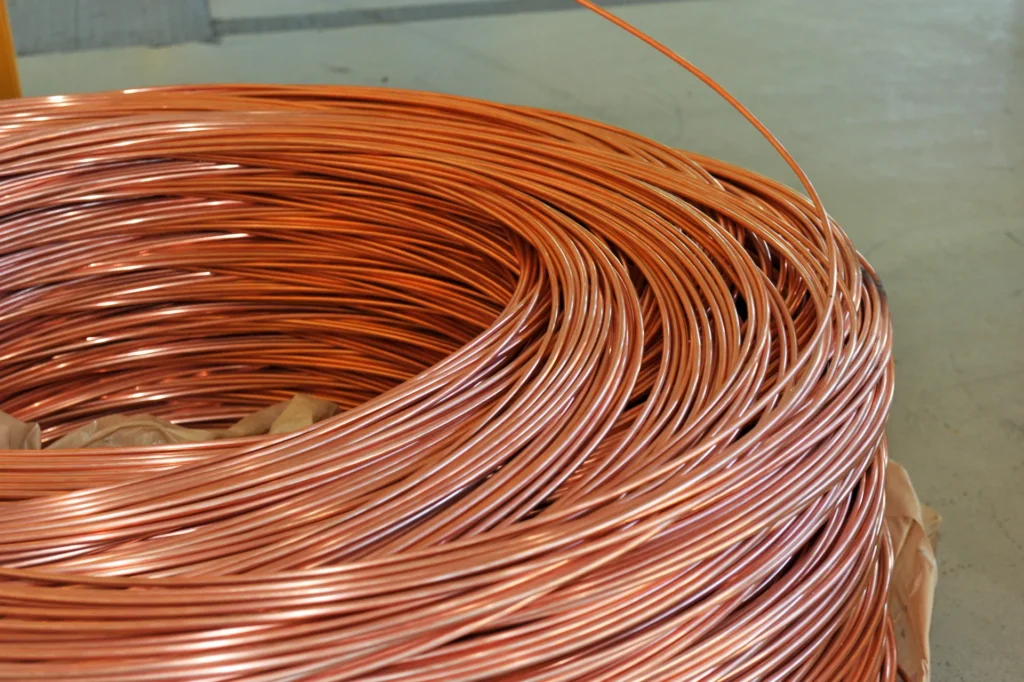
Copper wire is one of the most widely used materials in manufacturing and engineering because of its strength, ductility, and excellent electrical conductivity. At ILF, we support customers from our Midlands HQ, across the UK and internationally with copper stock, including wires, cables, and electrical busbars. As well as busbar manufacture, CNC machining, and finishing […]
How Copper Rolled Products Are Powering AI Data Centres in 2026
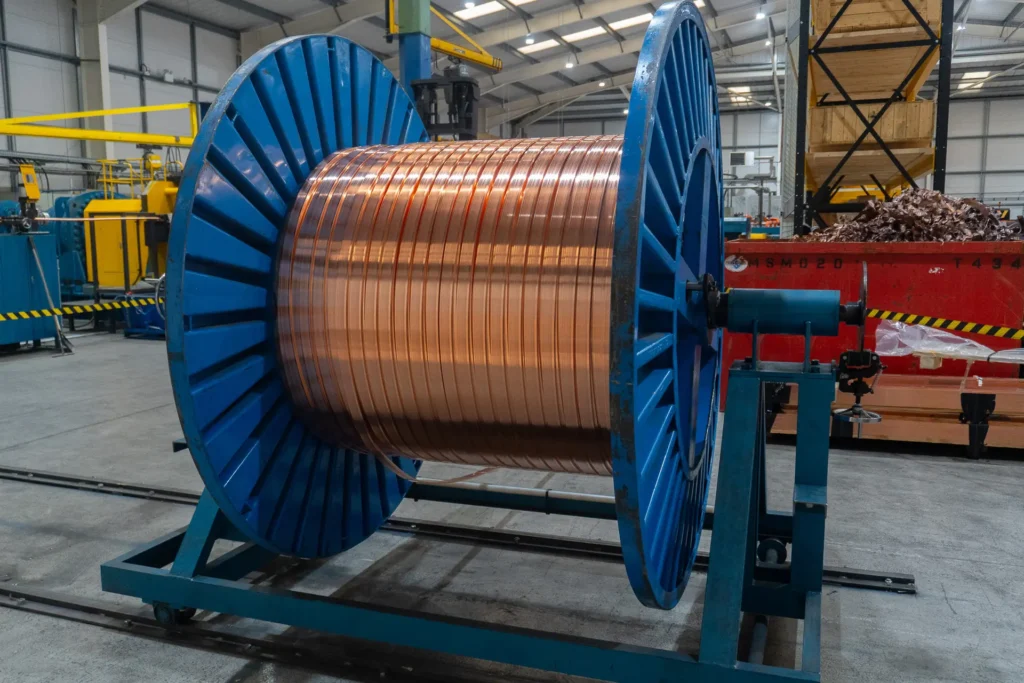
AI data centres are growing fast, and that growth is changing what buyers, engineers, and contractors need from core materials. As computing loads rise, so does power consumption, and that creates more pressure on every part of the electrical and cooling chain. Copper rolled products matter because they help move power efficiently, support heat removal, […]
Copper Grades for Busbars: Do You Really Need Oxygen-Free Copper?
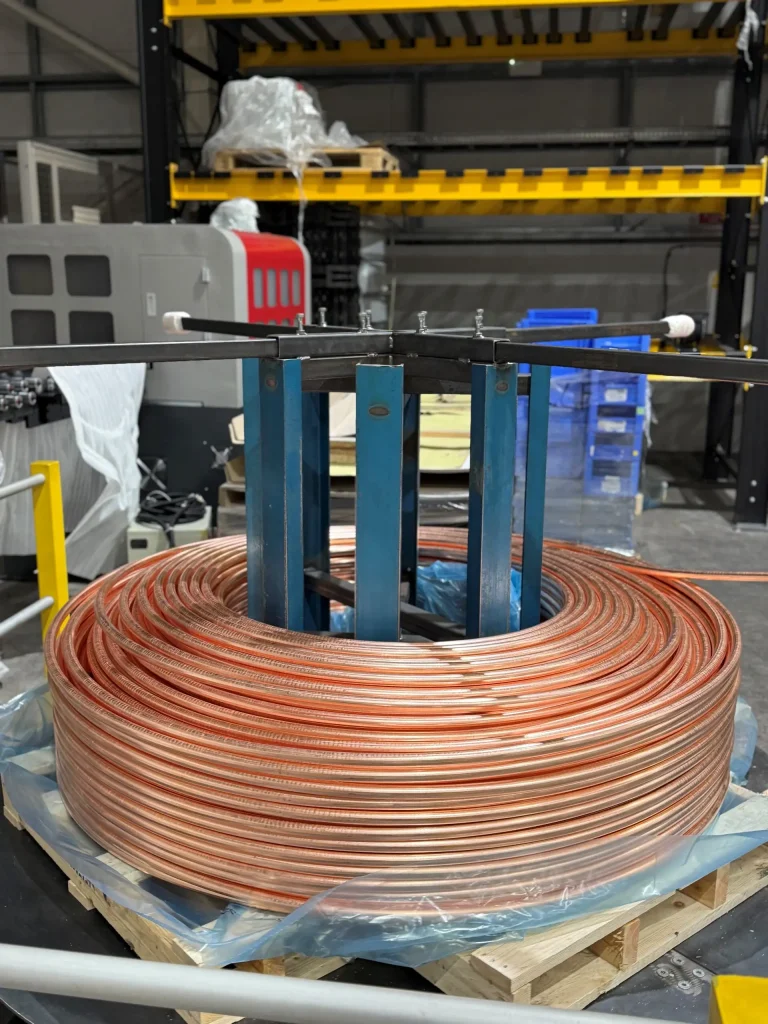
If you are specifying copper grades busbars for switchgear, power distribution, or industrial systems, you will quickly run into a common question: Do we really need oxygen-free copper? It is easy to assume “oxygen-free” must be better. In reality, many busbar projects perform perfectly well with standard electrical grades, and over-specifying can add cost and […]
How Does the Metal Bending Process Work From Design to Finished Part?
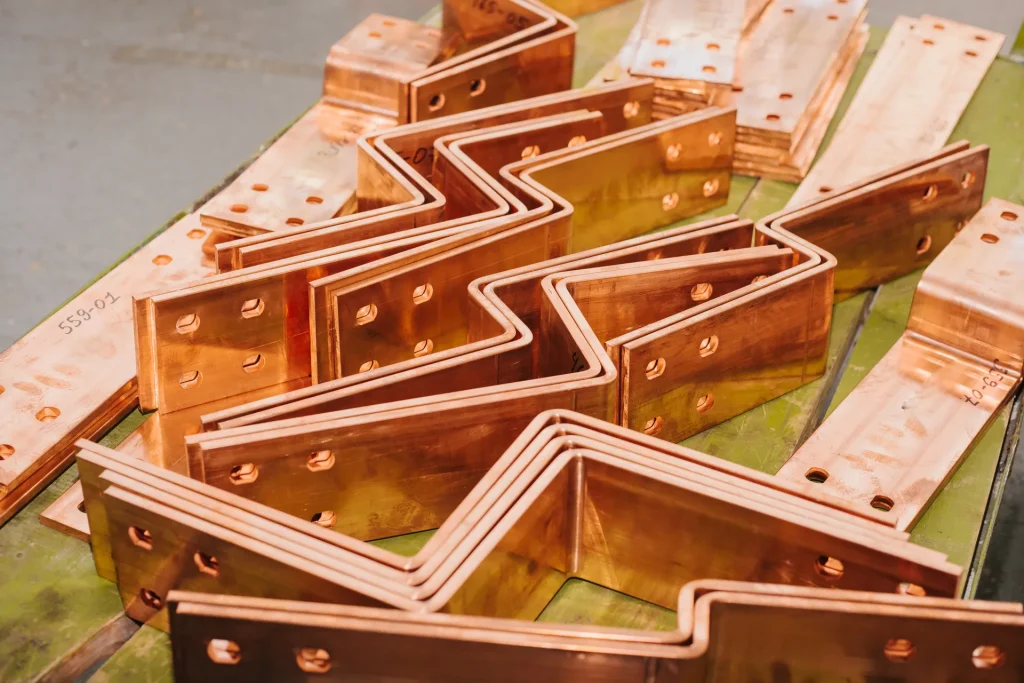
Metal bending can look simple from the outside, but the best results come from excellent design choices, the right material, and a controlled, repeatable process. At ILF, we support engineers and buyers with dependable copper and aluminium stock supply, plus specification-led manufacture of copper busbars for electrical, switchgear, power distribution, and industrial applications. This guide […]